Graduate Program

Professor Barmash's Classroom

Graduate Program

Where jewish and islamic studies meet

At this time, all of the JIMES graduate programs are on a hiatus. Please reach out to rhannah@wustl.edu with any questions or concerns.

Two unique programs. One amazing department.

The Department of Jewish, Islamic and Middle Eastern Studies (JIMES) at Washington University in St. Louis offers two standalone master’s degrees: a Master of Arts in Jewish Studies and a Master of Arts in Islamic and Near Eastern Studies. While both programs have their own curricula, the department’s integrated nature provides students a unique opportunity to explore the shared experiences and interactions of Jews and Muslims in their various cultural and historical contexts. 

Both MA programs are two-year full-time programs that foster breadth and depth of study and include a graduation requirement of advanced language proficiency. Close mentoring allows for student to tailor a program of study to their specific interests and goals. Thanks to the excellence of our MA programs, many of our graduates have been subsequently accepted into highly prestigious PhD programs.

Deadline to apply: December 15.

Beyond the MA

The Department of Jewish, Islamic and Middle Eastern Studies does not currently offer a home-based Ph.D. program. Students who would like to pursue a PhD in one of the fields of Jewish Studies or Islamic and Near Eastern Studies may do so under the auspices of a PhD granting department or program at Washington University (such as History, Anthropology, or Comparative Literature) in cooperation with participating faculty from JIMES.  In such instances, the prospective student should apply directly to the appropriate disciplinary department or program at Washington University.


Our Graduate Programs

MA In Jewish Studies

The MA program in Jewish Studies offers students an opportunity for dedicated, interdisciplinary study of the history, literatures, and cultures of the Jewish people from biblical to modern times. It is designed for students who have some college-level preparation in the field and who wish to deepen their expertise in preparation for a PhD program. It is also well-suited for those planning on professional careers in areas such as education, law, publishing, business, or social work. Our faculty offer graduate-level instruction in Hebrew Bible; rabbinic Judaism and its sources; medieval, early modern and modern Jewish history in both Europe and the Middle East; Jewish-Muslim encounters; premodern and modern Hebrew and Jewish literature; and Israeli culture. Applicants to the MA program must show proficiency in Hebrew language equivalent to at least one year of college-level study. At the end of two years of coursework, students will be expected to have completed third-year Hebrew successfully before receiving the MA degree.

More Information about Jewish Studies

MA in Islamic and Near Eastern Studies

The MA program in Islamic and Near Eastern Studies offers students an opportunity for dedicated, interdisciplinary study of the history, literatures, and cultures of the Middle East from the Middle Ages to the present. It is designed for students who ideally have some college-level preparation in the field and who wish to deepen their expertise in preparation for a PhD program. It is also well-suited for those planning on professional careers in education, law, publishing, business, government, and private agencies whose work touches upon some aspect of Islamic and Near Eastern Studies. Our faculty offer graduate-level instruction in Islamic and Near Eastern history; Islam in world history; Islamic religion and law; anthropology of Islam; premodern Muslim political theory and practice; Near Eastern urban studies; and both classical and modern Arabic literatures. Admission to the MA program normally requires proficiency in Arabic language equivalent to one year of college-level study. After a typical two years of coursework, students will be expected to have completed third-year Arabic successfully before receiving the MA degree.

More Information about Islamic and Near Eastern Studies

Placement

Our alumni go on to top PhD programs

Over the past several years, the following institutions have welcomed our M.A. graduates to their Ph.D. programs:

  • Stanford University (Jewish History; Religious Studies)
  • Yale University (Anthropology; Arabic & Islamic Studies)
  • SOAS, University of London (Comparative Literature)
  • Duke University (Religious Studies)
  • Columbia University (Yiddish)
  • Northwestern University (Communication Arts)
  • University of Chicago (Islamic Thought)
  • Boston University (Religious Studies)

Our M.A. graduates have also been welcomed to Ph.D. programs here at Washington University in St. Louis in Anthropology and Comparative Literature.

the faculty bookshelf

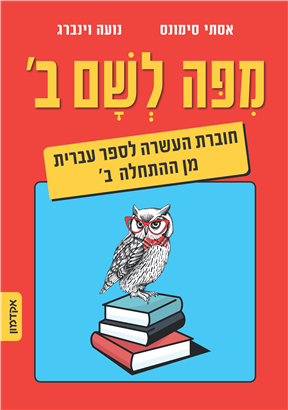
From Here to There: Workbook for Hebrew from Scratch, part 2

A workbook accompanying Hebrew from Scratch Part 2. Intended for both teachers as supplementary material for classroom use, and for students to practice at home. The workbook is divided into chapters according to the subjects of the book, dealing with linguistic issues and vocabulary, as well as verbal and written practice. In addition, it contains texts for practicing reading comprehension, also divided by the book subjects. Exercise answers are to be found at the end.

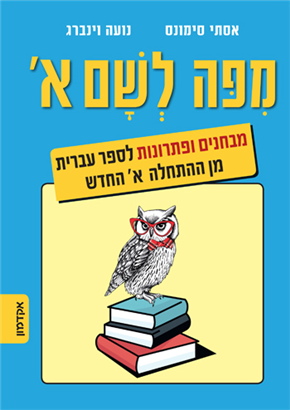
From Here to There: Tests and Solutions for the Book: Hebrew from Scratch Part 1

This is an exam booklet for beginners, which accompanies the textbook Hebrew from Scratch Part I. The booklet follows the 28 chapters of the textbook, and contains 29 exams that correspond with the chapters.

It is intended for students who wish to test themselves independently at the end of each chapter in order to assess their level of knowledge and capabilities. The booklet could also benefit teachers as an exam bank.

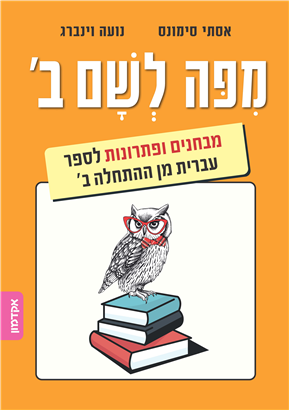
From Here to There: Tests and Solutions for the Book Hebrew from Scratch Part 2

This booklet is a test booklet that accompanies the book Hebrew from Scratch Part 2. The booklet follows the 16 chapters of the book and includes 9 exams following the chapters. The booklet is intended for students studying from the book Hebrew from Scratch Part 2 who wish to test themselves independently at the end of each chapter to assess their level of knowledge and their abilities. Students can also use the solutions at the end of the booklet.

The exams refer to all aspects studied in the chapter: reading comprehension, writing following a text, repeating vocabulary, and grammatical knowledge. At the end of the booklet are solutions for the tests. The solutions are for the grammar sections, but not for the comprehension sections. The linguistic instructions are translated into English to make it easier for the students, and in addition, examples are given to solve the exercises. Each exam includes a section with questions followed by a writing section. In addition, each exam includes grammatical materials: a verb or syntax studied or emphasized in the chapter. Some of the exams are also accompanied by vocabulary exercises based on the studied chapter or on previous chapters.


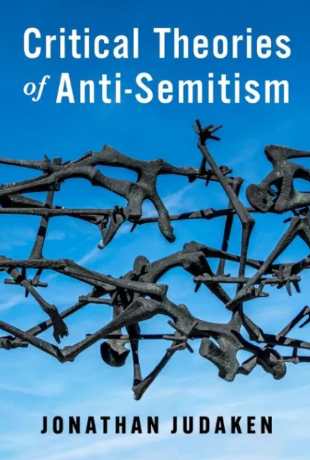
Critical Theories of Anti-Semitism (New Directions in Critical Theory)

Despite its persistence and viciousness, anti-Semitism remains undertheorized in comparison with other forms of racism and discrimination. How should anti-Semitism be defined? What are its underlying causes? Why do anti-Semites target Jews? In what ways has Judeophobia changed over time? What are the continuities and disconnects between medieval anti-Judaism and the Holocaust? How does criticism of the state of Israel relate to anti-Semitism? And how can social theory illuminate the upsurge in attacks on Jews today?
Considering these questions and many more, this book is at once a philosophical reflection on key problems in the analysis of anti-Semitism and a history of its leading theories and theorists. Jonathan Judaken explores the methodological and conceptual issues that have vexed the study of Judeophobia and calls for a reconsideration of the definitions, categories, and narratives that underpin overarching explanations. He traces how a range of thinkers have wrestled with these challenges, examining the theories of Jean-Paul Sartre, the Frankfurt School, Hannah Arendt, and Jean-François Lyotard, alongside the works of sociologists Talcott Parsons and Zygmunt Bauman and historians Léon Poliakov and George Mosse. Judaken argues against claims about the uniqueness of Judeophobia, demonstrating how it is entangled with other racisms: Islamophobia, Negrophobia, and xenophobia. Critical Theories of Anti-Semitism not only urges readers to question how they think about Judeophobia but also draws them into conversation with a range of leading thinkers whose insights are sorely needed in this perilous moment.

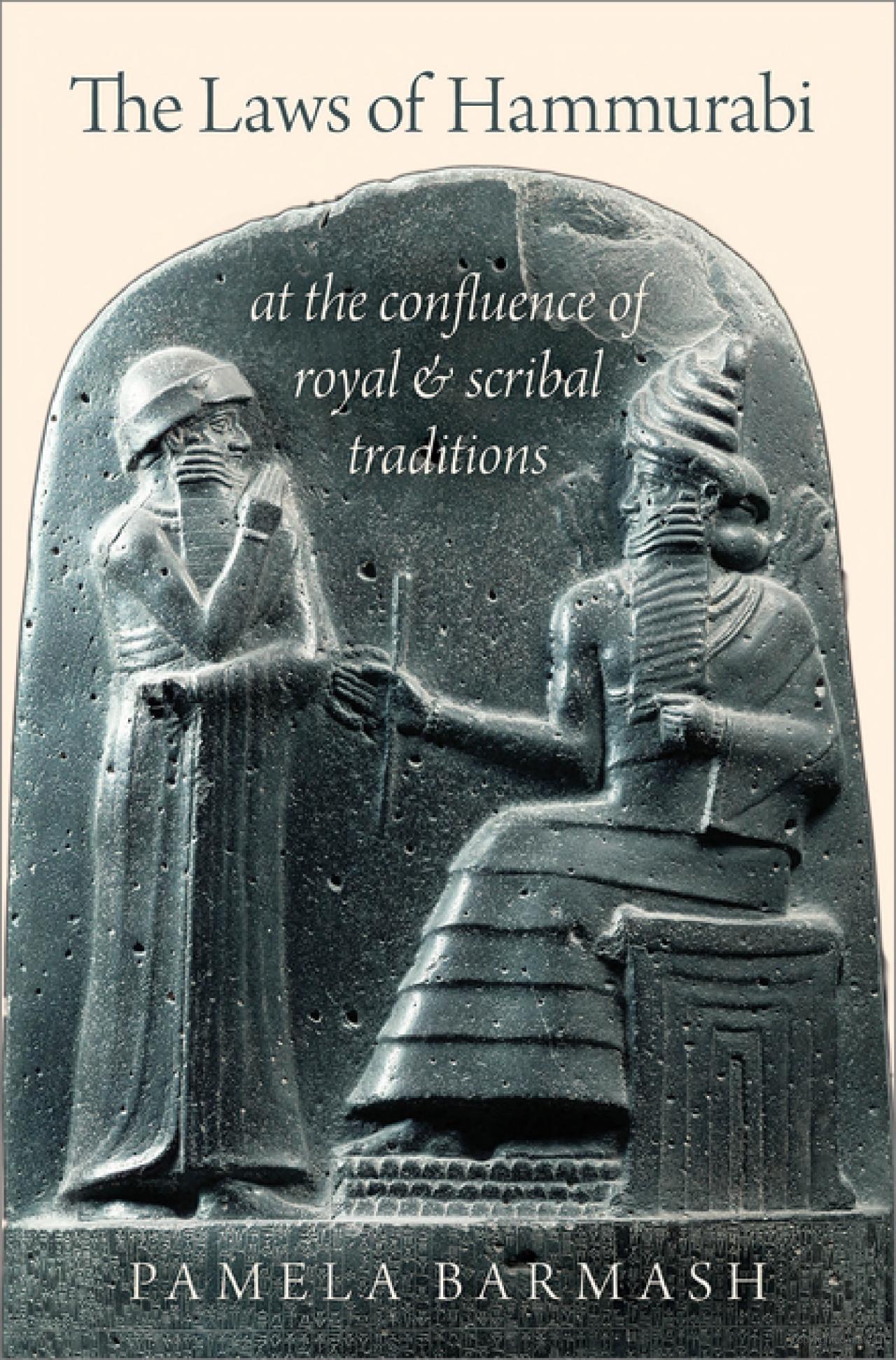
The Laws of Hammurabi: At the Confluence of Royal & Scribal Traditions

Among the best-known and most esteemed people known from antiquity is the Babylonian king Hammurabi. His fame and reputation are due to the collection of laws written under his patronage. This book offers an innovative interpretation of the Laws of Hammurabi.

What We Talk about When We Talk about Hebrew (and What It Means to Americans)

"Talk about When We Talk about Hebrew (and What It Means to Americans)” scholars, writers, and translators tackle a series of urgent questions that arise from the changing status of Hebrew in the United States. To what extent is that status affected by evolving Jewish identities and shifting attitudes toward Israel and Zionism? Will Hebrew programs survive the current crisis in the humanities on university campuses? How can the vibrancy of Hebrew literature be conveyed to a larger audience?

The volume features a diverse group of distinguished contributors, including Sarah Bunin Benor, Dara Horn, Adriana Jacobs, Alan Mintz, Hannah Pressman, Adam Rovner, Ilan Stavans, Michael Weingrad, Robert Whitehill-Bashan, and Wendy Zierler. With lively personal insights, their essays give fellow Americans a glimpse into the richness of an exceptional language.

Celebrating the vitality of modern Hebrew, this book addresses the challenges and joys of being a Hebraist in America in the twenty-first century. Together these essays explore ways to rekindle an interest in Hebrew studies, focusing not just on what Hebrew means-as a global phenomenon and long-lived tradition-but on what it can mean to Americans.

Nancy E. Berg is professor of Hebrew and comparative literature at Washington University and the author of “Exile from Exile: Israeli Writers from Iraq.” Naomi B. Sokoloff is professor of Hebrew and comparative literature at the University of Washington. She is the author of “Imagining the Child in Modern Jewish Fiction” and coeditor of “Boundaries of Jewish Identity.”

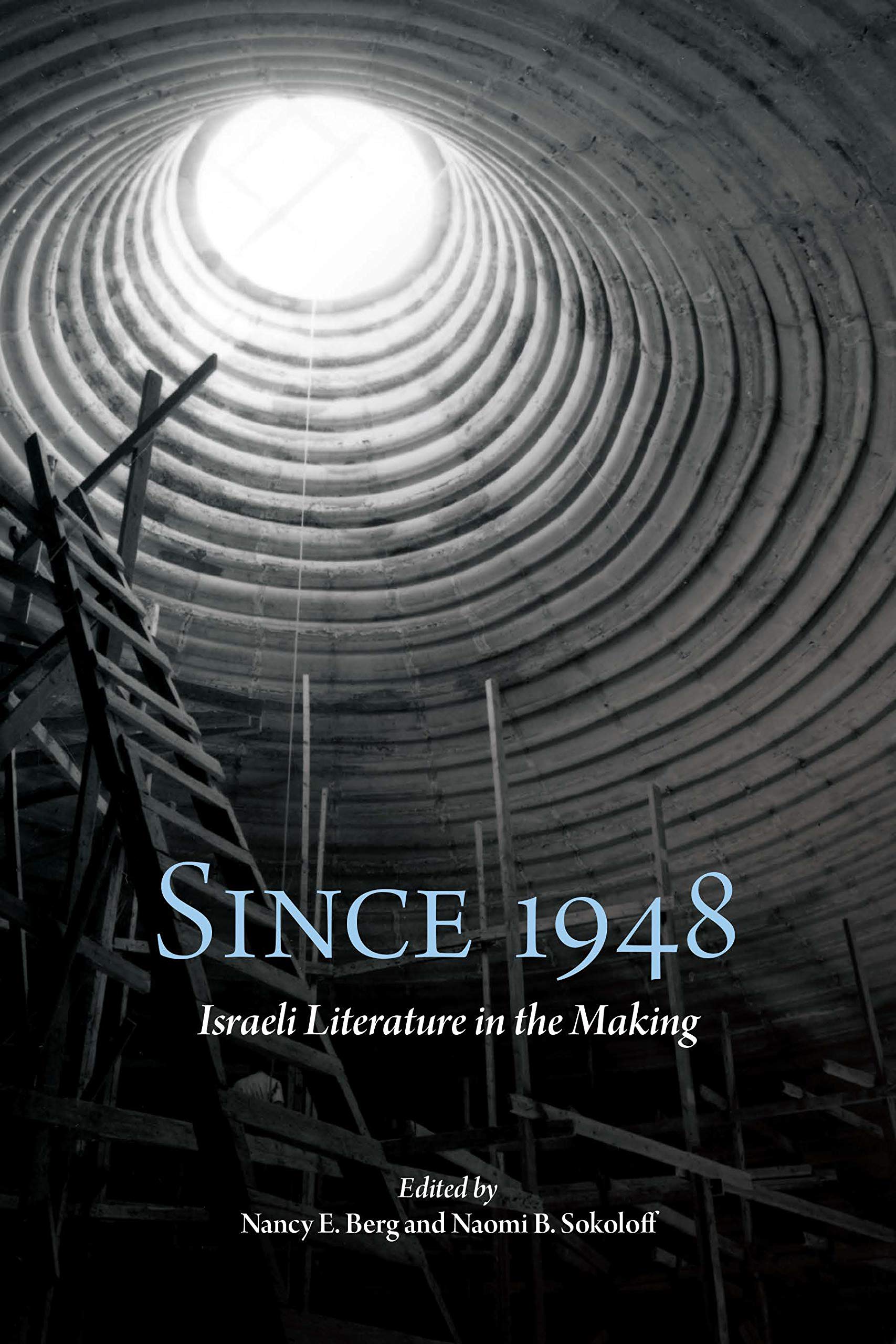
Since 1948: Israeli Literature in the Making

Toward the end of the twentieth century, an unprecedented surge of writing altered the Israeli literary scene in profound ways. As fresh creative voices and multiple languages vied for recognition, diversity replaced consensus. Genres once accorded lower status—such as the graphic novel and science fiction—gained readership and positive critical notice. These trends ushered in not only the discovery and recovery of literary works but also a major rethinking of literary history. In Since 1948, scholars consider how recent voices have succeeded older ones and reverberated in concert with them; how linguistic and geographical boundaries have blurred; how genres have shifted; and how canon and competition have shaped Israeli culture. Charting surprising trajectories of a vibrant, challenging, and dynamic literature, the contributors analyze texts composed in Hebrew, Yiddish, and Arabic; by Jews and non-Jews; and by Israelis abroad as well as writers in Israel. What emerges is a portrait of Israeli literature as neither minor nor regional, but rather as transnational, multilingual, and worthy of international attention.

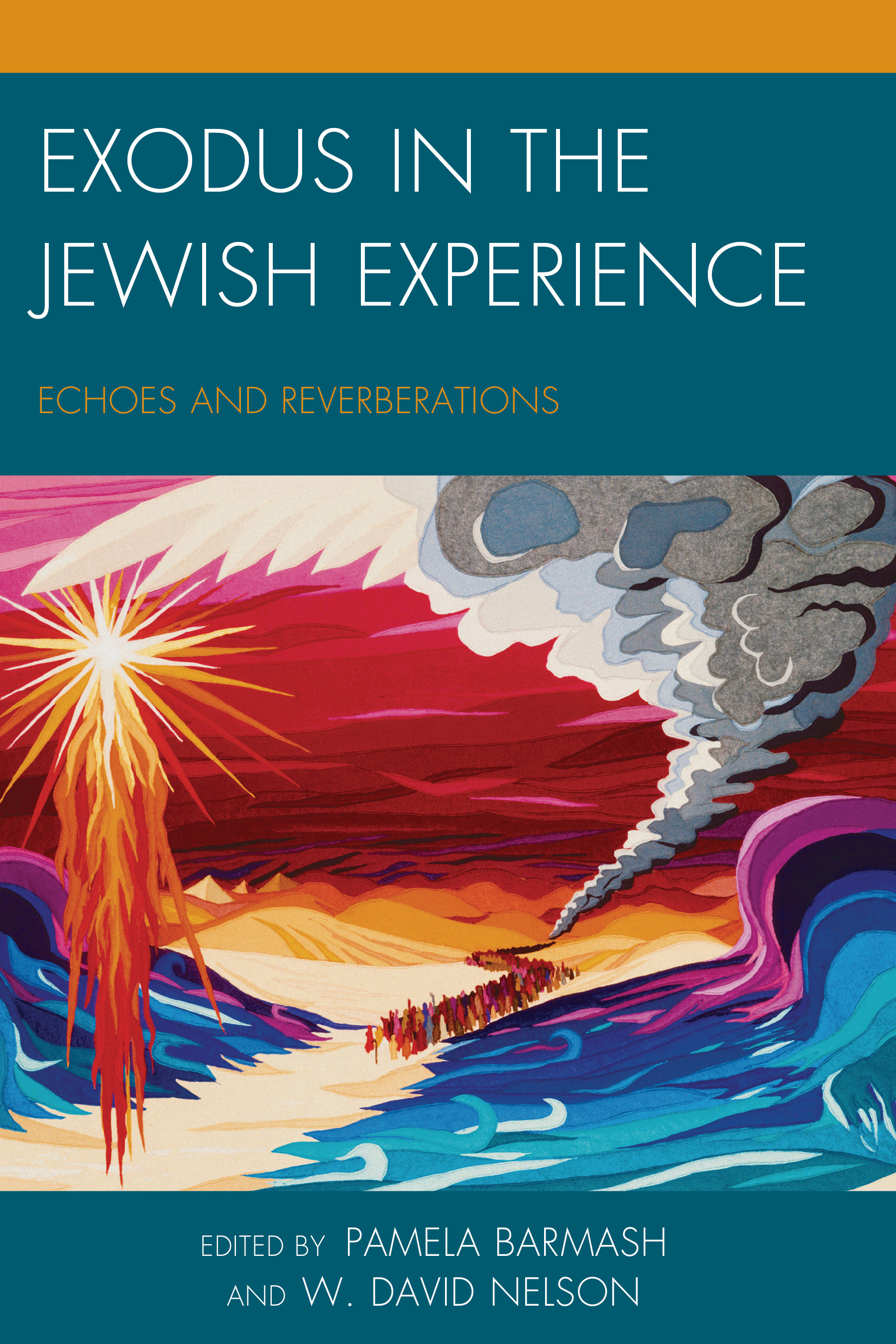
Exodus in the Jewish Experience: Echoes and Reverberations

Exodus in the Jewish Experience: Echoes and Reverberations investigates how the Exodus has been, and continues to be, a crucial source of identity for both Jews and Judaism. It explores how the Exodus has functioned as the primary model from which Jews have created theological meaning and historical self-understanding. It probes how and why the Exodus has continued to be vital to Jews throughout the unfolding of the Jewish experience. As an interdisciplinary work, it incorporates contributions from a range of Jewish Studies scholars in order to explore the Exodus from a variety of vantage points. It addresses such topics as: the Jewish reception of the biblical text of Exodus; the progressive unfolding of the Exodus in the Jewish interpretive tradition; the religious expression of the Exodus as ritual in Judaism; and the Exodus as an ongoing lens of self-understanding for both the State of Israel and contemporary Judaism. The essays are guided by a common goal: to render comprehensible how the re-envisioning of Exodus throughout the unfolding of the Jewish experience has enabled it to function for thousands of years as the central motif for the Jewish people.

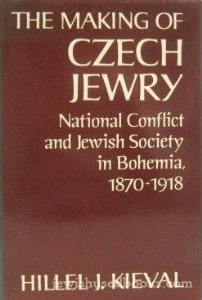
The Making of Czech Jewry

Examining the post-emancipatory, post-industrial transformation of Czech-Jewish society, Hillel J. Kieval focuses on the Czech-Jewish movement and Prague Zionism, charting their development up to the start of the First Czechoslovak Republic. Though different in fundamental ways, the Czech-Jewish movement and Prague Zionism held remarkable similarities: both emerged from the second phase of modernization of Bohemian Jewry; both represented a turnabout in cultural and national loyalties; and both, ironically, saw themselves as the best vehicle for Jewish integration into a nationally charged, highly contentious, European environment. Emphasizing the multi-ethnic character of the region, the linguistic dexterity and cultural ambiguity of its Jewish population, and the decisive impact of national conflict on the creation of Jewish attitudes and behavior, the book offers a new picture--the first in English--of the social and cultural life of Central European Jewry at the turn of the century.

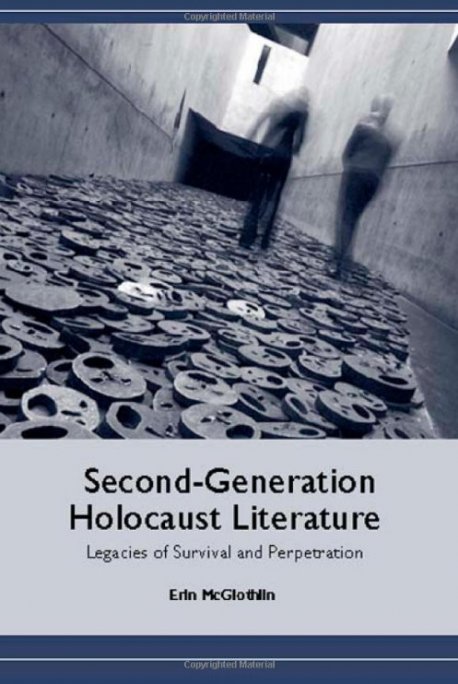
Second-Generation Holocaust Literature

Among historical events of the 20th century, the Holocaust is unrivaled as the subject of both scholarly and literary writing. Literary responses include not only thousands of autobiographical and fictional texts written by survivors, but also, more recently, works by writers who are not survivors but nevertheless feel compelled to write about the Holocaust. Writers from what is known as the second generation have produced texts that express their feeling of being powerfully marked by events of which they have had no direct experience. This book expands the commonly-used definition of second-generation literature, which refers to texts written from the perspective of the children of survivors, to include texts written from the point of view of the children of Nazi perpetrators. With its innovative focus on the literary legacy of both groups, it investigates how second-generation writers employ similar tropes of stigmatization to express their troubled relationships to their parents' histories. Through readings of nine American, German, and French literary texts, Erin McGlothlin demonstrates how an anxiety with signification is manifested in the very structure of second-generation literature, revealing the extent to which the literary texts themselves are marked by the continuing aftershocks of the Holocaust. 

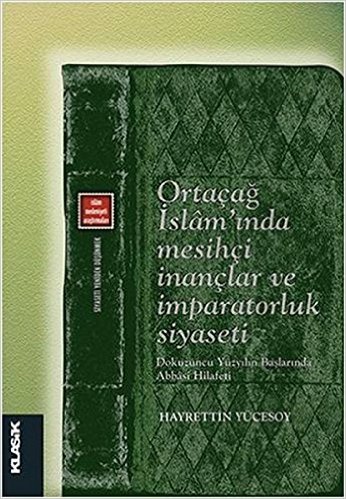
Ortacag Islam'inda Mesihci Inanclar ve Imparatorluk Siyaseti - Dokuzuncu Yüzyilin Baslarinda Abbasi Hilafeti

Ortacag Islâm'inda Mesihci Inanclar ve Imparatorluk Siyaseti, Abbâsî hilafetinin ilk donemlerini ele almakta ve el-Me'mûn'un tahta gecmesiyle sonuclanan el-Emîn ile el-Me'mûn arasindaki ic savasin, siklikla gozden kacirilan bir yonunu, o donemde Muslumanlar ve Musluman olmayanlar arasinda dolasimda olan gelecege dair rivayetler baglaminda Me'mûn'un dikkat cekici siyasetini izah etmeye calismaktadir. 809-833 yillari arasindaki donemi daha yakindan incelemesine ragmen, Ortacag Islâm'inda Mesihci Inanclar'in temel amaci, halifelerin kendi dinî-siyasal gundemlerini bicimlendirdikleri, idame ettirdikleri ve mesrulastirdiklari baslica hâkim ideolojilerden birisi olarak mesihci ve âhir zamanci (apocalyptic) inanclarin Abbâsî siyasal davranisini sekillendirmesindeki rolune isik tutmaktir. "Hayrettin Yucesoy'un ozenle hazirlanan kitabi erken donem Ortacag Islâm'inda mesihci inanclar konusunda belirleyici kitap olacaktir. Detaylara yonelik kili kirk yaran dikkati ve dusunce dolu bulgulari, Islâm'in kurucu donemindeki entelektuel tarihe buyuk bir katki saglayacaktir" -Asma Afsaruddin- (Tanitim Bulteninden)

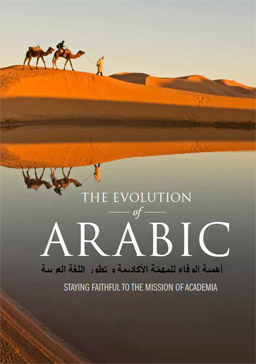
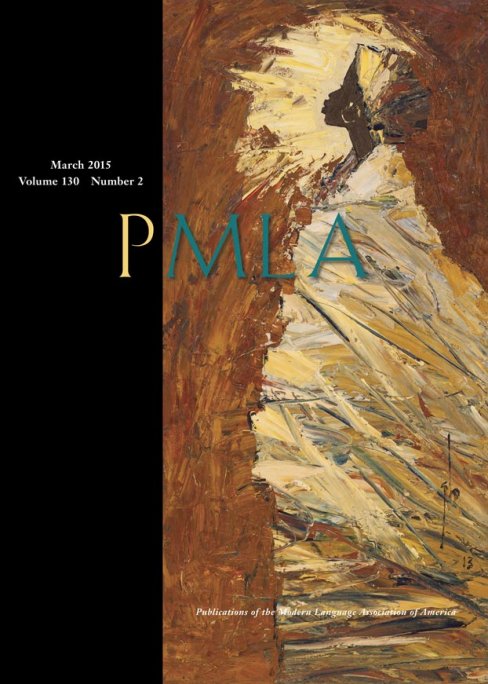
The Evolution of Arabic

Early in the seventh century, Aramaic was superseded by Arabic, which gained widespread prestige and legitimacy as the official language of Islam. The expansion of the Islamic empire spread the language as far as Central Asia and the Iberian Peninsula, today’s Spain, known then as Al-Andalus or Andalusia.

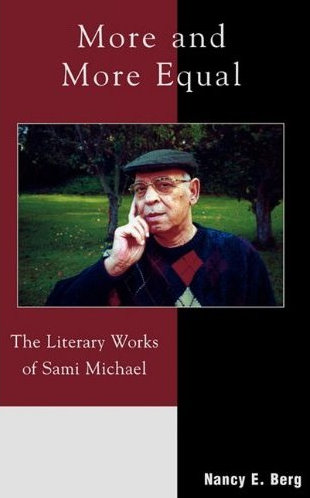
More and More Equal

More and More Equal examines the works of Sami Michael, the most significant Israeli writer who has made the transition from Arabic to Hebrew. Born in Baghdad, Michael fled in 1948 to Iran, and later to Israel, to escape imprisonment or execution due to his involvement with the Iraqi Communist Party. Early in his career Michael was deemed merely an "ethnic" writer, but his incredible popular success and indelible influence on his Israeli audience have forced critics to consider his writings anew. Nancy E. Berg sheds light on Michael's belated canonization and traces his development as a storyteller. Berg offers fresh readings of each of Michael's major novels.

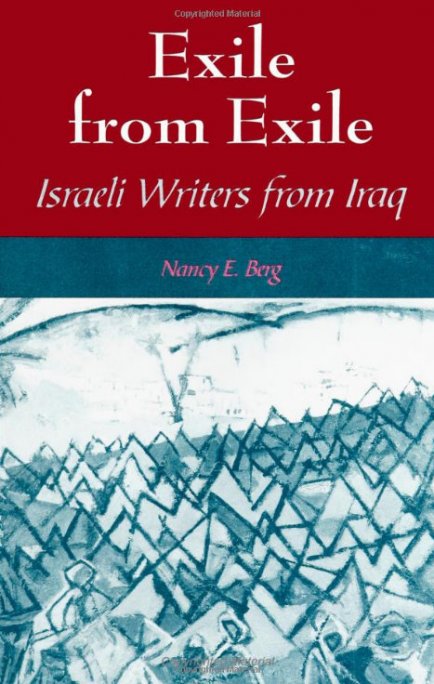
Exile from Exile

The standard histories of Israeli literature limit the canon, virtually ignoring those who came to Israel from Jewish communities in the Middle East. By focusing on the work of Iraqi-born authors, this book offers a fundamental rethinking of the canon and of Israeli literary history. 

The story of these writers challenges common conceptions of exile and Zionist redemption. At the heart of this book lies the paradox that the dream of ingathering the exiles has made exiles of the ingathered. Upon arriving in Israel, these writers had to decide whether to continue writing in their native language, Arabic, or begin in a new language, Hebrew. The author reveals how Israeli works written in Arabic depict different memories of Iraq from those written in Hebrew.

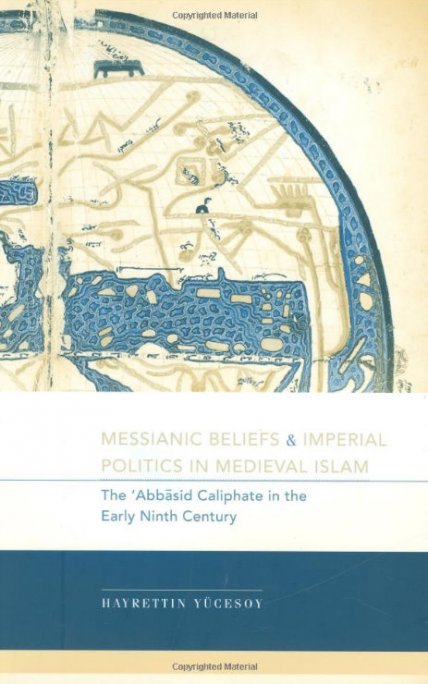
Messianic Beliefs & Imperial Politics in Medieval Islam

Messianic Beliefs and Imperial Politics in Medieval Islam analyzes the role of Muslim messianic and apocalyptic beliefs in the development of the 'Abbasid Caliphate to highlight connections between charismatic authority and institutional developments in the early ninth century. Hayrettin Yücesoy studies the relationship between rulers and religion to advance understanding of the era's political actions and, more specifically, to illustrate how messianic beliefs influenced 'Abbasid imperial politics and contributed to the reshaping of the caliphate under al-Ma'mun (809-33) after a decade-long civil war.

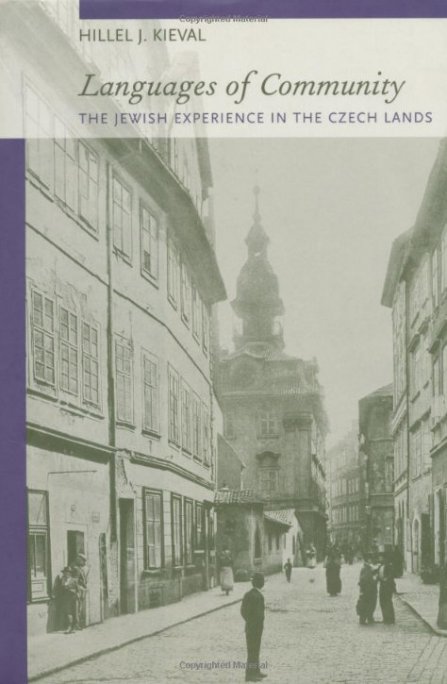
Languages of Community: The Jewish Experience in the Czech Lands

With a keen eye for revealing details, Hillel J. Kieval examines the contours and distinctive features of Jewish experience in the lands of Bohemia and Moravia (the present-day Czech Republic), from the late eighteenth to the late twentieth century. In the Czech lands, Kieval writes, Jews have felt the need constantly to define and articulate the nature of group identity, cultural loyalty, memory, and social cohesiveness, and the period of "modernizing" absolutism, which began in 1780, brought changes of enormous significance. From that time forward, new relationships with Gentile society and with the culture of the state blurred the traditional outlines of community and individual identity. Kieval navigates skillfully among histories and myths as well as demography, biography, culture, and politics, illuminating the maze of allegiances and alliances that have molded the Jewish experience during these 200 years.

Language of Empire: Politics of Arabic and Persian in Abbasid World

This essay aims to contribute to current studies of language and empire by considering Arabic and Persian in the ninth and tenth centuries. Following the lead of Edward Said on colonial empires and translation, I focus on the political aspects of language and translation in "premodern" trans-Asian societies, which have not yet recieved the nuanced attention they deserve. Accentuating the act of adopting and supporting a language as political, I argue that the wax and wane of imperial languages were predicated on two usually simultaneous dynamics: intra-imperial interests and, to use Laura Doyle's term, inter-imperial competition.

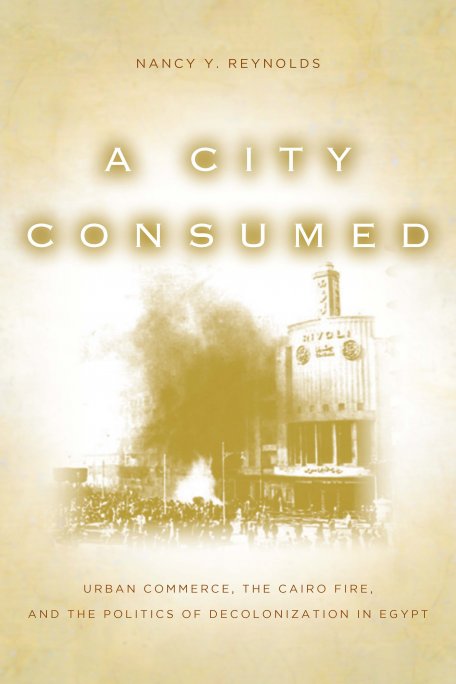
A City Consumed: Urban Commerce, the Cairo Fire, and the Politics of Decolonization in Egypt

Though now remembered as an act of anti-colonial protest leading to the Egyptian military coup of 1952, the Cairo Fire that burned through downtown stores and businesses appeared to many at the time as an act of urban self-destruction and national suicide. The logic behind this latter view has now been largely lost. Offering a revised history, Nancy Reynolds looks to the decades leading up to the fire to show that the lines between foreign and native in city space and commercial merchandise were never so starkly drawn. 

My professors helped me tailor my program of study to my specific interests, become a better teacher, find summer opportunities, and with my future plans. They also provided me with vital guidance in writing my master’s thesis on infertility in Palestine. As a result of the skills and mentoring I received in JINELC’s MA program, I am currently pursuing a PhD in anthropology at Yale University, with a concentration on Middle Eastern Studies!”

― Lizzy Berk MA, '14; PhD student, Anthropology, Yale University