
Spring 2027 Undergraduate Courses

The Persian Gulf/Arabian Peninsula

JIMES 1020-01 - The Persian Gulf/Arabian Peninsula
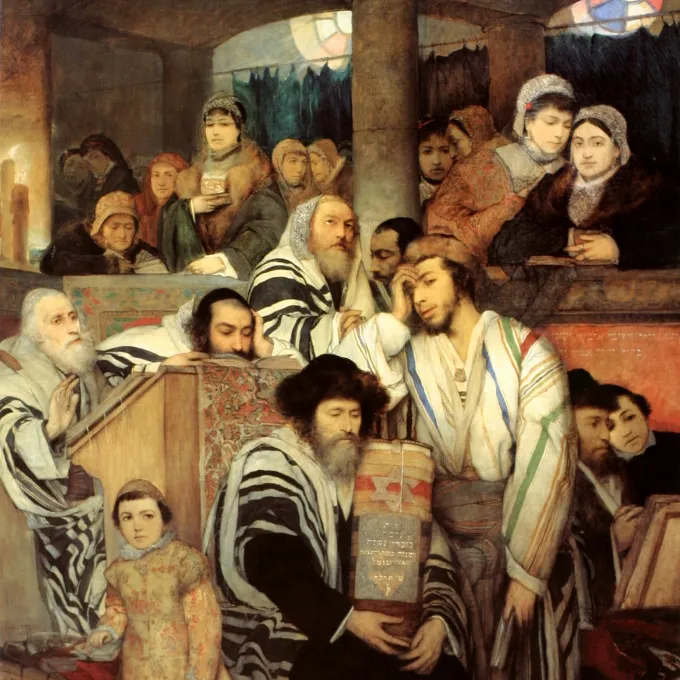
Israeli Women Writers
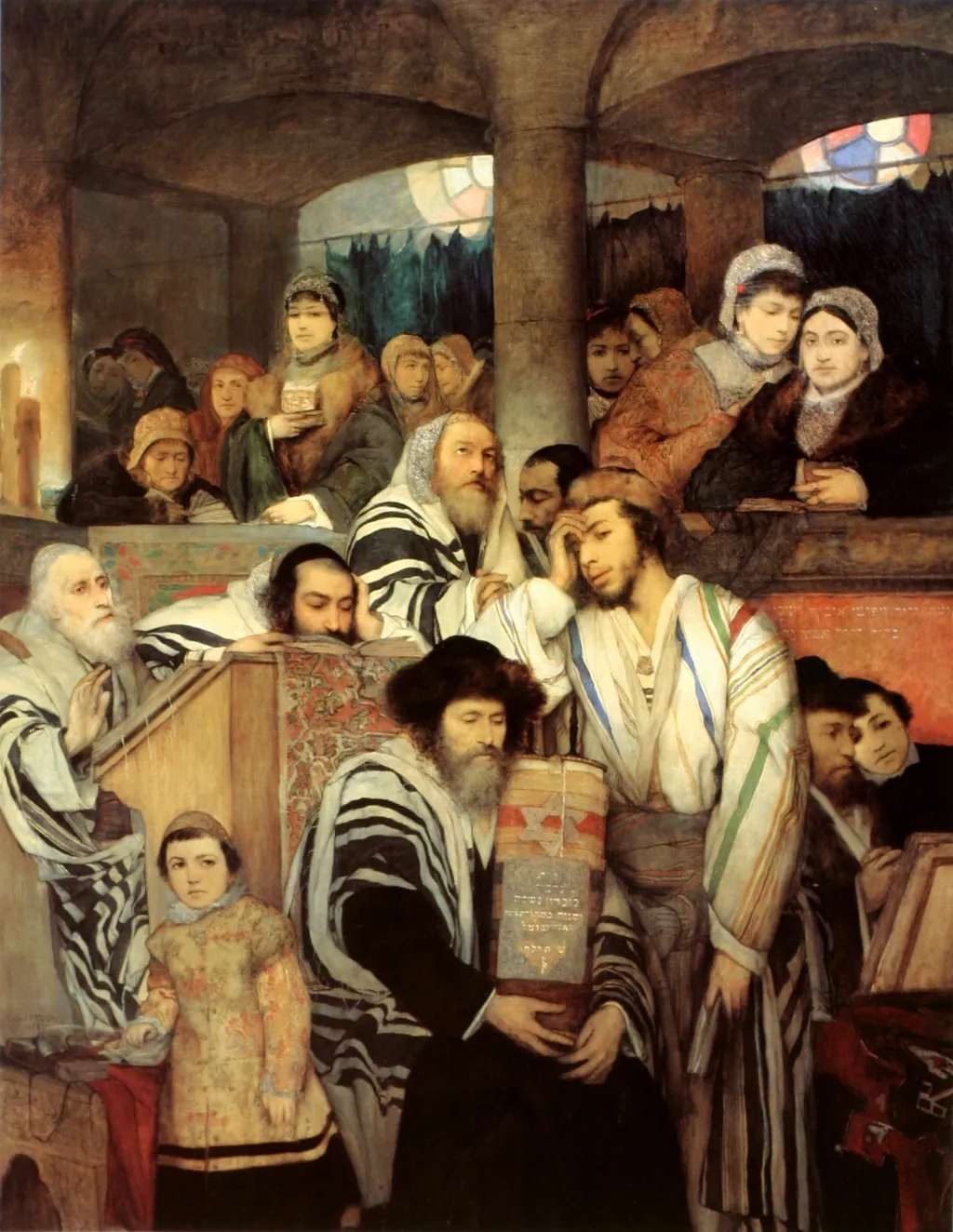
HBRW 3090-1 - Israeli Women Writers
From the Mizrahi Margins" Doubly––and triply––marginalized, Mizrahi women writers have been at the forefront of several recent turns in Israeli literature: the environmental novel, the spoken word, the spare writing aesthetic, tales of the precariate, and more.
“What do you write? In what language do you write? For whom do you write?” the refrain of our course, will permit us to interrogate both the works we read and the ways we think, talk, and write about them. Which conversations are we entering and what is our contribution?
Authors include Ronit Matalon, Orly Castel-Bloom, and Ayelet Tsabari. All Hebrew and Arabic readings (selected novels, short fiction, poetry, and essays) will be in English translation. The course counts toward the WI writing intensive requirement.
Instructor: Nancy Berg
Tue/Thu | 11:30 AM - 12:50 PM
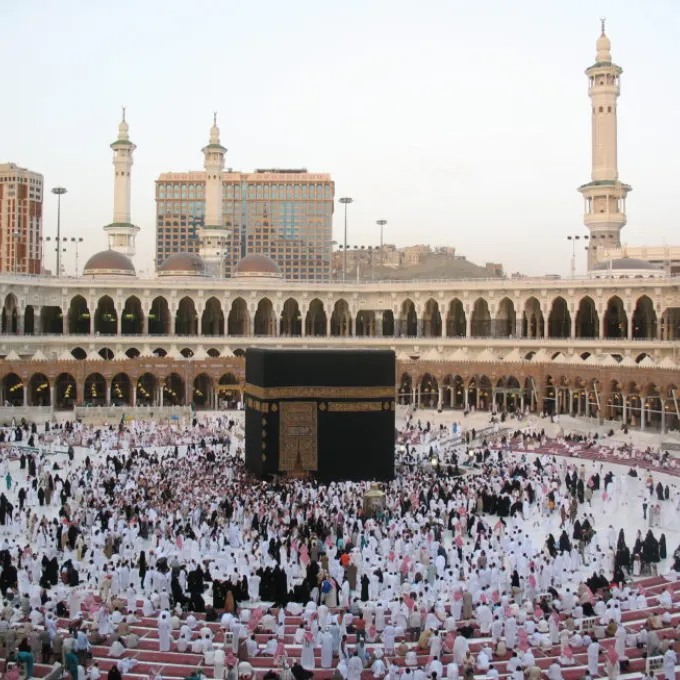
Introduction to Islamic Civilization
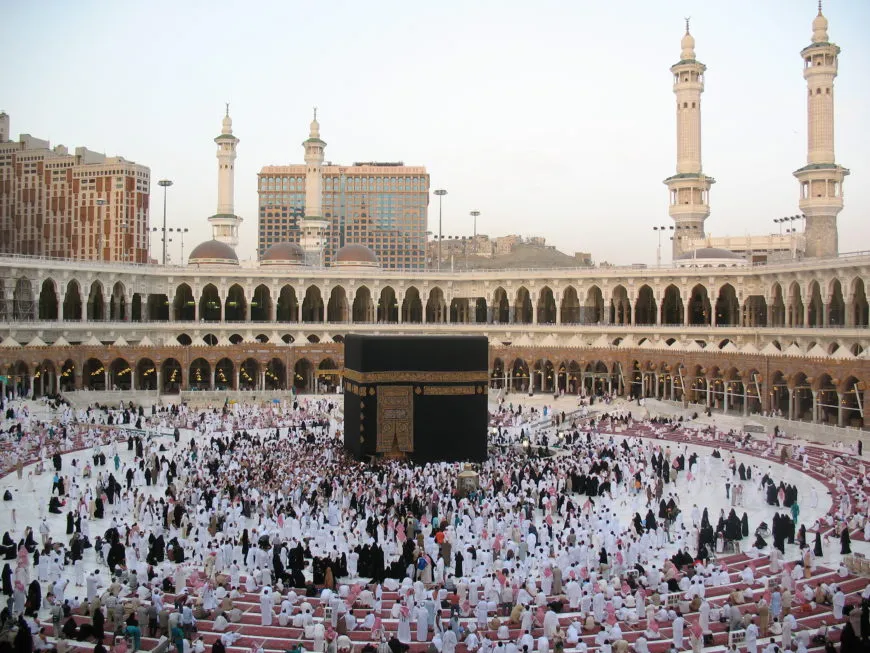
JIMES 2100-01: Introduction to Islamic Civilization
A historical survey of Islamic civilization in global perspective. Chronological coverage of social, political, economic and cultural history will be balanced with focused attention to special topics, which will include: aspects of Islam as religion; science, medicine and technology in Islamic societies; art and architecture; philosophy and theology; interaction between Islamdom and Christendom; Islamic history in the Middle East, South Asia, Southeast Asia, and Central Asia as well as Africa; European colonialism; globalization of Islam and contemporary Islam.
Instructor: Hayrettin Yucesoy
Mon/Wed | 1:00 AM - 2:20 PM
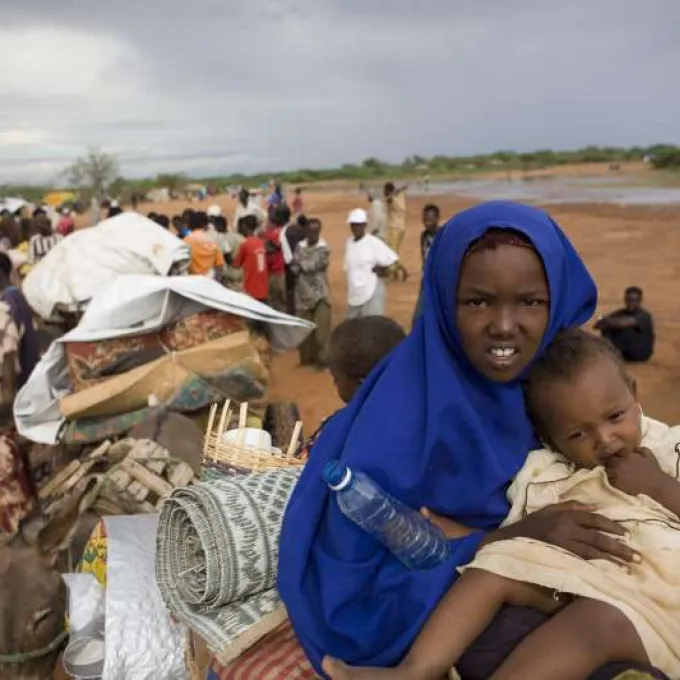
Ampersand: Migration Policies and Colonialism: Refugee Resettlement and Integration
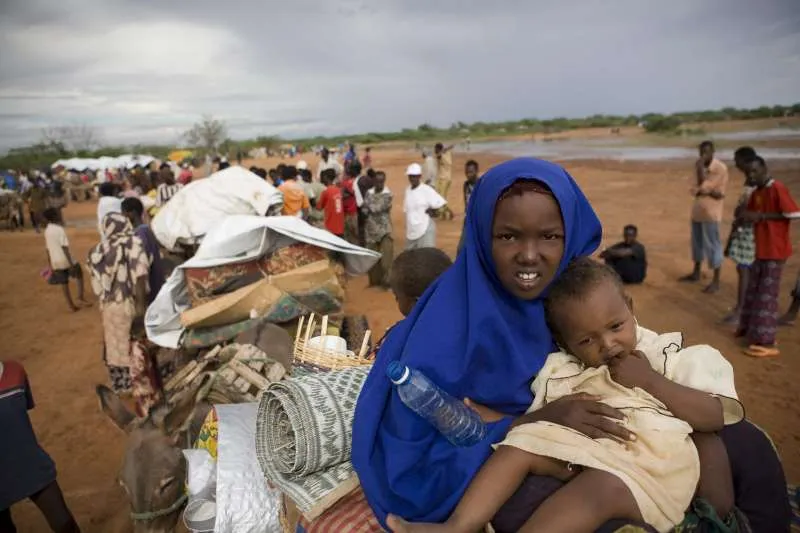
JIMES 2242-01 - Ampersand: Migration Policies and Colonialism: Refugee Resettlement and Integration
This Course will continue our investigation of the Dynamics of Migration in the MENA and African countries primarily and re-orient the discussions towards a/the much-overlooked cause of migration: Colonialism. To achieve genuine refugee/ Migrant oriented reform policies, the Global North needs to reconcile with its colonial past. Towards this end, we will highlight how the history of Migration is deeply entangled with colonialism. Our readings-based discussions will focus on analyzing how colonial logics continue to shape the dynamics of migration as well as fuel the growing Xenophobia and Anti-migration rhetoric in the Global North towards intercontinental human mobility. To understand the enduring legacies of colonialism on the contemporary politics of migration, our discussions will argue the premise that colonial histories should be central to migration studies today for there to be real reform in refugee, asylum, and migrant policies. We will explore a wide range of inspiring and challenging perspectives on migration and learn what postcolonial and decolonial scholarships can offer us studying international migration today. We will address these areas through our weekly readings of Migration Studies and Colonialism as a primary source; we will also survey a selection of articles as a secondary source. To supplement the readings, we will watch short documentaries addressing the topic as well as hear from activists, journalists, and specialists in the field. Course is for first-year, non-transfer students only.
Instructor: Younasse Tarbouni
Mon/Wed | 11:30 AM - 12:50 PM
Democracies & Dictatorships in the Middle East
JIMES 2630 - Democracies & Dictatorships in the Middle East
Instructor: David Warren
Section 01 - Mon/Wed 10:00 AM - 11:20 PM
Section 02 - Mon/Wed 2:30 PM - 3:50 PM
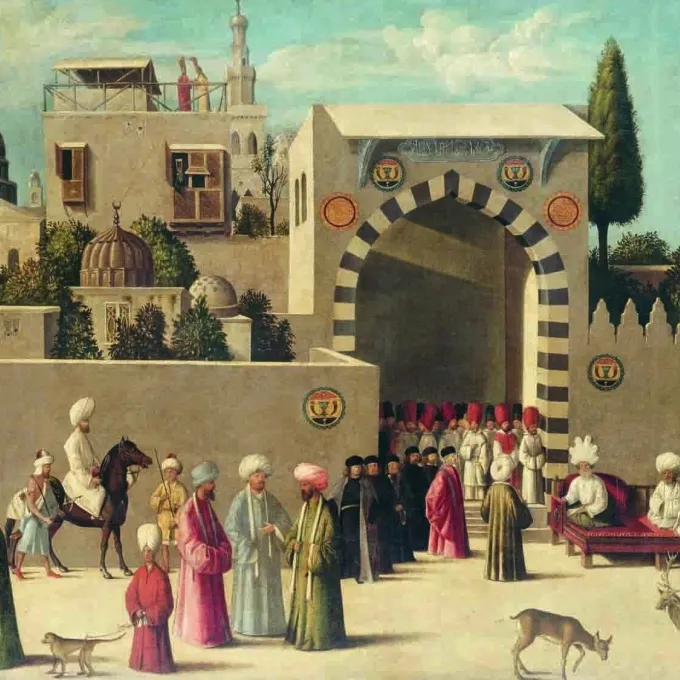
Imagining the East: The History & Politics of Middle East Studies
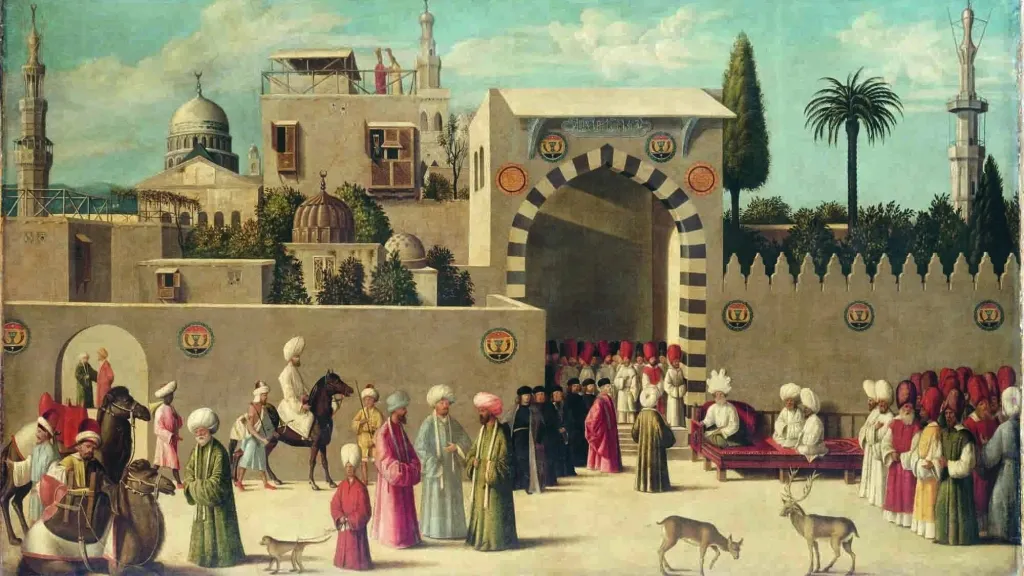
JIMES 3820-01 - Imagining the East: The History & Politics of Middle East Studies
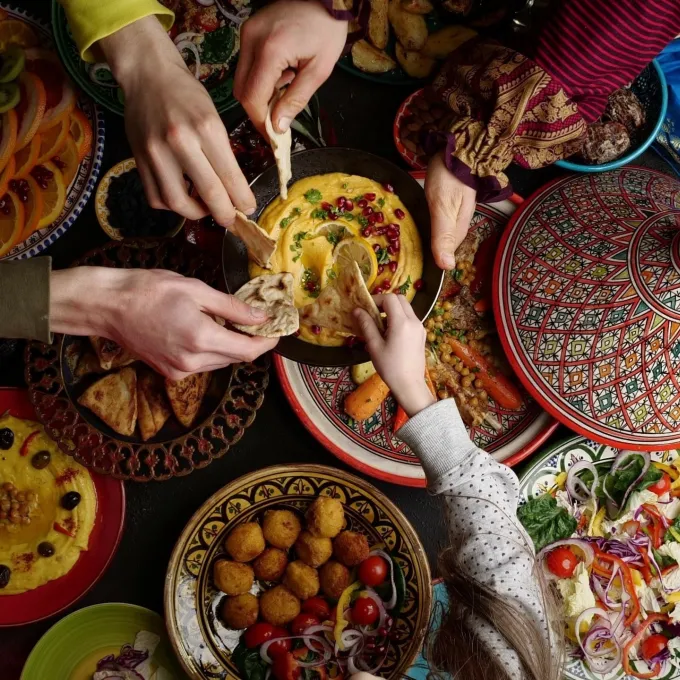
Of Dishes, Taste, and Class: History of Food in the Middle East
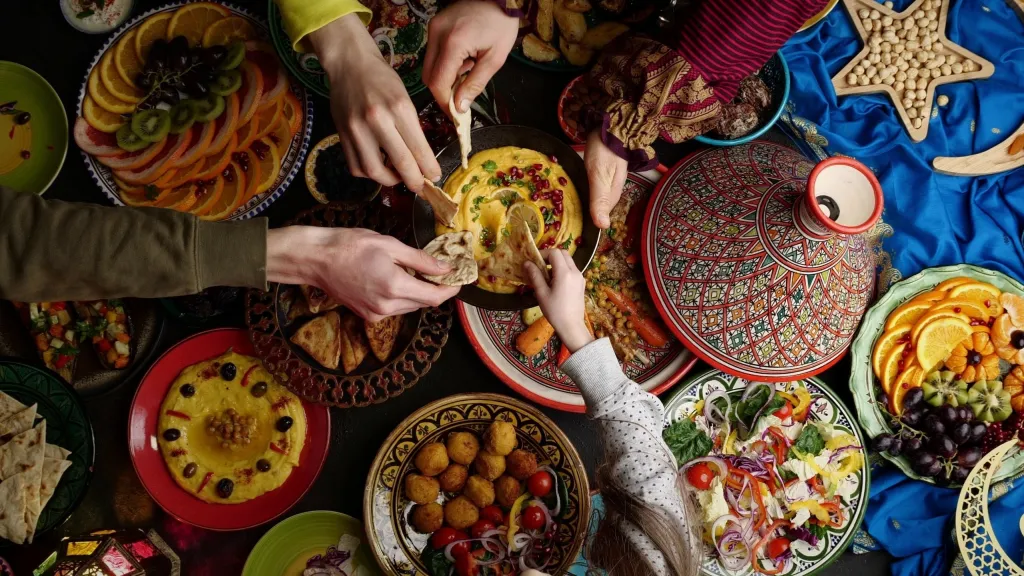
JIMES 3740 - Of Dishes, Taste, and Class: History of Food in the Middle East
The Problem of Evil: The Holocaust and Other Horrors
JIMES 3101-01 - The Problem of Evil: The Holocaust and Other Horrors
The question of how God can allow evil to occur to the righteous or innocent people has been a perennial dilemma in religion and philosophy. We study the classic statement of the problem in the biblical book of Job, the ancient Near Eastern literature on which Job is based, and traditional Jewish and Christian interpretation of Job. We study the major approached to the problem of evil in Western philosophical and religious thought.
Instructor: Pamela Barmash
Mon/Wed | 10:00 AM - 11:20 AM
Jewish Humor
JIMES 3017-01 - Jewish Humor
Throughout the semester, we will look at texts from a wide variety of disciplines, including history, literary studies, religious studies, social criticism, disability studies, gender and sexual studies, as well as films, images, and other representations that will help us understand the historical function and significance of Jewish humor. Understanding Jewish humor will also serve as a tool for understanding the human potential of humor, and how humor serves as bridge between different minority groups throughout history.
Instructor: Erin Faigin
Tue/Thu | 4:00 PM - 5:20 PM
Beginning Arabic II
ARAB 1001-01 - Beginning Arabic II
Intermediate Arabic II
ARAB 2011-01 - Intermediate Arabic II
Continuation of Intermediate Arabic I. Study of grammar of literary Arabic and reading of annotated classical and modern prose texts; elementary composition; practice in speaking and comprehending modern Arabic.
Instructor: Housni Bennis
Mon/Wed/Fri | 9:00 AM - 9:50 AM
Third-Level Arabic II
ARAB 3011 - Third-Level Arabic II
Fourth-Level Arabic: Classical Arabic
ARAB 4061-01 - Fourth-Level Arabic: Classical Arabic
This course will focus on close-reading of texts written by contemporary Arab novelists and intellectuals. The course will emphasize: (1) increasing reading speed; (2) increasing depth of reading comprehension; (3) strengthening grammar; (4) building Arabic to English translation skills.
Instructor: Housni Bennis
Mon/Wed/Fri | 11:00 AM - 11:50 AM
First Year Modern Hebrew II
HBRW 1002 - First Year Modern Hebrew II
Sections:
Second Year Modern Hebrew II
HBRW 2013-01 - Second Year Modern Hebrew II
Third-Level Modern Hebrew II
HBRW 3041 - Third-Level Modern Hebrew II
Designed to develop communicative skills, this course provides opportunities for students to practice the art of speaking and writing correctly, clearly, and effectively. Includes reading and discussion of selected short stories from modern Hebrew literature as well as articles from current Hebrew newspapers. Class discussions deal with literary topics as well as contemporary social and political issues related to life and institutions in Israel. PREREQ: Grade of B- or better in L74 320D Third-Level Modern Hebrew I or placement by examination. Please note: L75 522D is intended for graduate students only.
Instructor: Eyal Tamir
Mon/Wed/Fri | 10:00 PM - 10:50 AM
Fourth-Level Modern Hebrew II
HBRW 4030 - Fourth-Level Modern Hebrew II
Beginning Hindi II
HINDI 1031 - Beginning Hindi II

Beginning Urdu II

HINDI 1032 - Beginning Urdu II
Beginning Urdu II is the continuation of the 130 Beginning Urdu course, devoted to the further development of basic skills - listening, speaking, reading and writing - with a particular emphasis on the acquisition of speaking proficiency. Training in spoken Urdu emphasizes speaking and listening at normal speed with near native pronunciation and intonation. The course meets 3 hours per week. Those who have not taken the sequence of Urdu courses offered by the department may be able to join this course, if they have obtained prior knowledge of the language by some other means (see instructor for placement). The course is tailored to address students' interests not only in the language, but also in the culture it is rooted in. Along with texts for script and grammar, new and additional materials will be constantly introduced, especially as the students develop increased facility and proficiency in the language. The class sequence relies heavily on student interaction, partner activities and group work. Prerequisite: Urdu-I (130) or placement by examination.
Instructor: Toqeer Shah
Mon/Wed/Fri | 4:00 PM - 4:50 PM
Intermediate Hindi II
HINDI 2018 - Intermediate Hindi II
Intermediate Urdu II
HINDI 2051 - Intermediate Urdu II

Understanding Indian Literature Through Visual Media
HINDI 3090-01 - Understanding Indian Literature Through Visual Media
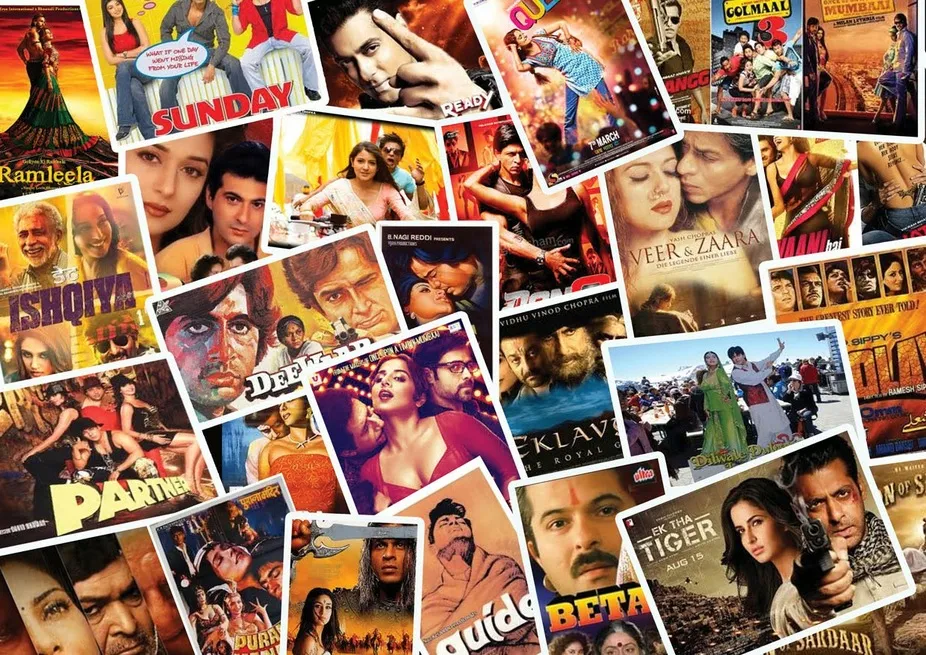
This course focuses on the films and cultural traditions of South Asia in general and of India in particular. Students will be introduced to a variety of contemporary literary genres through visuals. Readings and class discussions will be followed by film screenings from the popular Hindi cinema (known as the Bollywood industry in India) to demonstrate how images and visuals influence modern-day cultural traditions. Students will also get a chance to work on films based on literary texts by well-known writers of the subcontinent. These readings and films focus on various social, cultural, political and historical aspects of Indian society. Students will be encouraged to explore these issues in their written assignments as well as in their class discussions.
Instructor: Meera Jain
Wed | 3:00 PM - 5:50 PM